

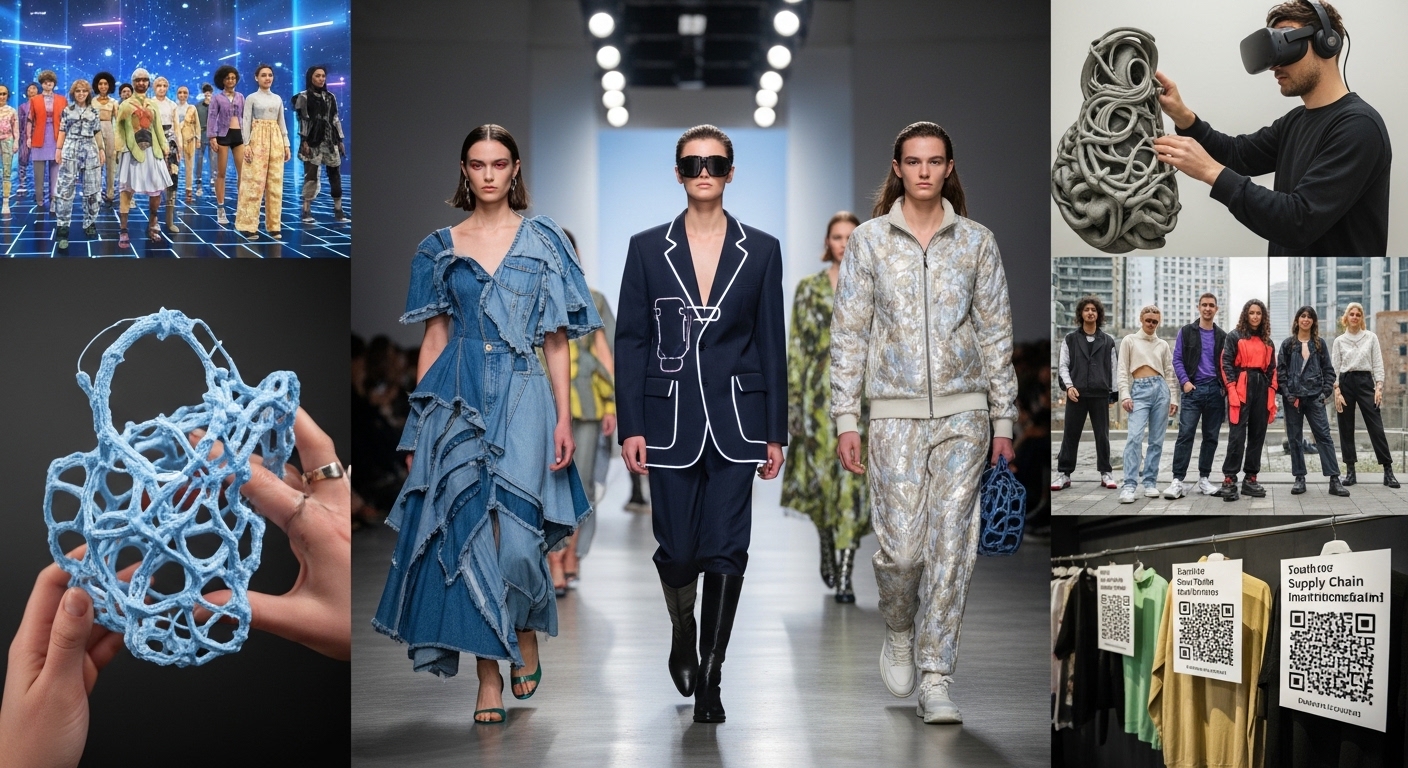
The modern fashion industry in 2026 is evolving faster than ever, driven by technology, sustainability demands, cultural shifts, and digital consumer behavior. Instead of relying only on seasonal creativity, brands are now combining AI, eco-innovation, and real-time trend forecasting to shape what people wear. Below are the latest and most important trends defining today’s fashion world.
Sustainable Fashion Dominance
Sustainability is no longer optional; it is a core industry standard. Brands are shifting toward recycled fabrics, biodegradable textiles, and circular production models. Consumers increasingly prefer eco-friendly clothing, pushing companies to reduce waste and adopt transparent supply chains for long-term environmental responsibility and ethical manufacturing practices.
AI and Data-Driven Design
Artificial intelligence is transforming how fashion is created and marketed. AI tools now analyze social media, predict trends, and even generate design concepts in real time. As reported in recent industry developments, brands are using AI to shorten design cycles and cut production costs significantly .
Digital Fashion and Virtual Try-Ons
Digital fashion is growing rapidly with virtual try-on tools and 3D garment simulations. Consumers can now see how clothes fit their digital avatars before purchasing. This reduces return rates, improves online shopping confidence, and creates new opportunities for fully virtual fashion collections in gaming and metaverse platforms.
Gender-Neutral and Inclusive Styles
Modern fashion is becoming more inclusive, breaking traditional gender boundaries. Designers are creating fluid silhouettes that suit all body types and identities. Oversized fits, unisex clothing lines, and adaptive fashion are now mainstream, reflecting a global shift toward self-expression and diversity in personal style.
Minimalism with Bold Expression
While minimalism remains popular, it has evolved into a more refined aesthetic. Clean cuts, neutral tones, and high-quality fabrics are combined with bold accessories or statement pieces. This balance between simplicity and individuality allows consumers to maintain elegance while still expressing personality.
Tech-Integrated Wearable Fashion
Technology is merging directly with clothing through smart fabrics and wearable devices. Jackets with sensors, temperature-adjusting materials, and LED-enhanced outfits are becoming more common. These innovations make fashion functional, interactive, and adaptive, blending lifestyle needs with futuristic design elements.
Revival of Y2K and Retro Styles
Nostalgic fashion trends, especially Y2K-inspired styles, are making a strong comeback. Low-rise jeans, metallic fabrics, bold prints, and playful accessories are being reimagined with modern tailoring. Designers are blending retro aesthetics with futuristic materials, creating a fusion of past and present fashion identities.
FAQs
What is the biggest fashion trend in 2026?
Sustainable and AI-driven fashion are the biggest trends shaping the industry.
Is fast fashion still popular?
Fast fashion still exists but is declining due to sustainability concerns.
How is AI used in fashion?
AI is used for trend forecasting, design creation, and customer personalization.
What styles are trending now?
Minimalism, Y2K revival, and gender-neutral fashion are highly popular.
Is digital fashion real?
Yes, digital clothing exists for virtual platforms and online experiences.
Conclusion
The modern fashion industry is undergoing a powerful transformation driven by technology, sustainability, and cultural inclusivity. AI-powered design, eco-friendly materials, and digital fashion experiences are redefining how clothes are made and worn. As trends evolve quickly, adaptability, innovation, and responsibility are becoming essential for brands and consumers shaping the future fashion landscape globally.
